
A Guide to the Property Inspection Contingency Addendum & Inspection Removal Addendum
Real Estate Missy L'Hoste December 16, 2025
Real Estate Missy L'Hoste December 16, 2025
This guide explains how the Virginia home inspection contingency works, including the Property Inspection Contingency Addendum (PICA) and Property Inspection Contingency Removal Addendum (PICRA).
New here? Start with Part 1: A Guide to the Virginia Residential Purchase Agreement, which explains the main contract and how the home-buying process works from contract to closing.
https://hamptonroadsrealestateadvisor.com/blog/a-guide-to-the-virginia-residential-purchase-agreement
Once a home is under contract, the inspection phase is a critical step in the process. This phase moves quickly and is governed by firm deadlines, so understanding how the inspection documents work is important from the start. This is the stage where buyers gather information, confirm how the home’s systems are functioning, and decide how they want to move forward.
This guide explains two documents that work together during this phase:
The Property Inspection Contingency Addendum (PICA)
The Property Inspection Contingency Removal Addendum (PICRA)
These are not casual documents. They set deadlines, define options, and require timely decisions. Understanding them helps the transaction move forward smoothly and intentionally.
The inspection contingency allows the buyer to inspect the property to evaluate the condition of the major systems and components of the home.
This is a due‑diligence period. It gives the buyer the opportunity to:
Learn more about the condition of the home
Identify material concerns
Decide how to proceed within the contract timelines
Most homes — even very well-maintained ones — will have inspection findings. The goal is not perfection. The goal is clarity and informed decision‑making.
The Property Inspection Contingency Addendum is attached to the Purchase Agreement and establishes the rules, rights, and deadlines for inspections.
It answers three key questions:
What inspections may be performed?
What must be delivered, and by when?
What happens if deadlines are missed?
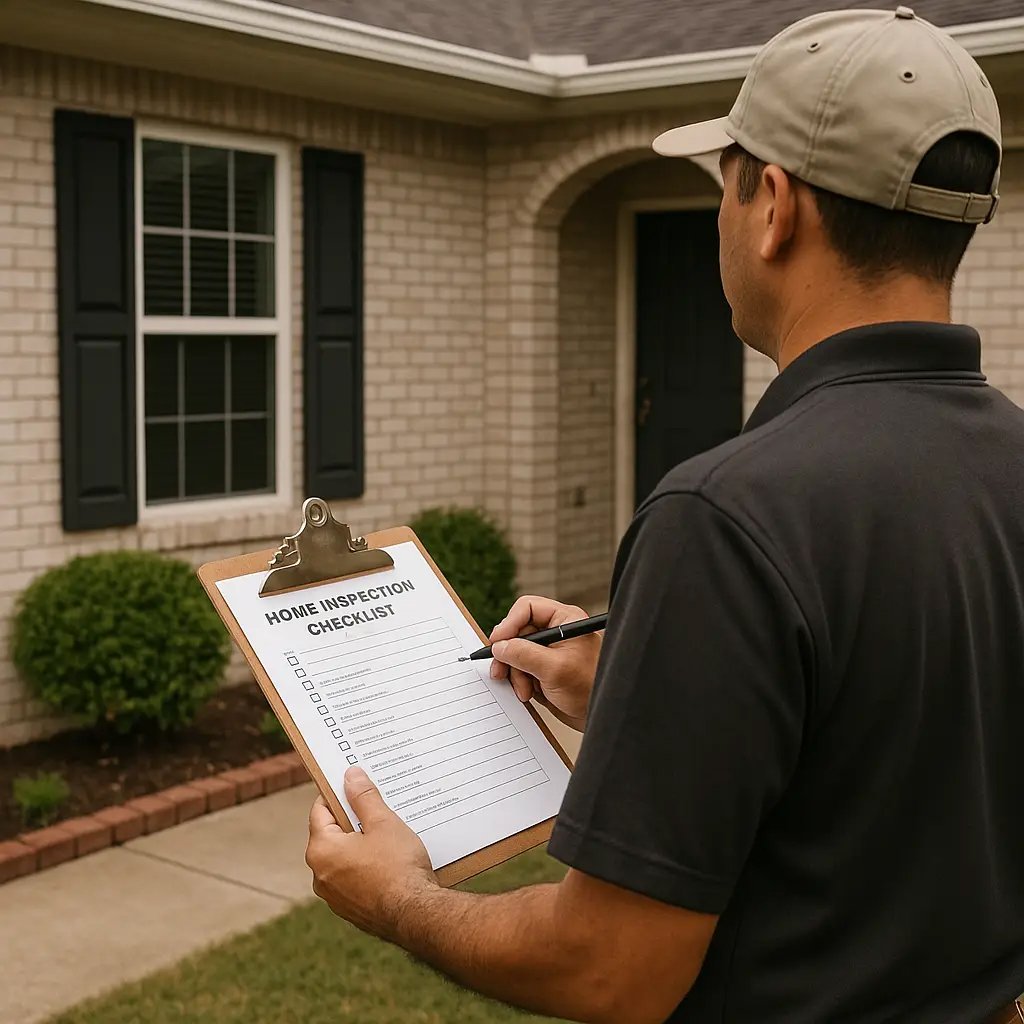
The home inspection is the primary inspection and the main focus of this entire phase of the contract. This inspection evaluates the entire property, including the structure and major systems, to ensure they are functioning as they were designed to function.
In some cases, additional or specialty inspections may be requested or required depending on the property and what is discovered during the home inspection. These may include, for example:
A fireplace or chimney inspection
A pool or spa inspection
An EIFS (Exterior Insulation and Finish System) inspection, if applicable
Other specific inspections recommended by the home inspector
The buyer selects and pays for inspectors, and our team coordinates the scheduling. The seller provides access to the property.
The inspection contingency is governed by a specific deadline written into the contract.
By that deadline, the buyer must deliver one of the following:
Copies of the inspection reports and a completed PICRA
A Purchase Agreement Release
A Purchase Agreement Termination
If none of these are delivered by the deadline, the inspection contingency is considered satisfied and removed, and the contract continues forward.
This is why inspection timelines matter and why decisions cannot be postponed.
If the buyer wishes to request repairs, those requests are made through the PICRA.
Repair requests are not intended to be a wish list, and not every inspection finding automatically becomes a repair request. They are typically focused on:
Health and safety issues
Structural or mechanical concerns
Items that materially affect the use or value of the home
Items identified in inspection reports that are not included in the final PICRA are considered waived, with limited exceptions for lender‑required repairs under the Purchase Agreement.
Once a PICRA with requested repairs is delivered, the seller has up to five (5) days to respond.
During this negotiation period, sellers are often:
Obtaining contractor estimates
Consulting professionals
Evaluating whether to complete repairs or propose alternative solutions
Because this five‑day negotiation window frequently overlaps the end of the inspection contingency period, buyers must remain engaged and responsive so the transaction can continue moving forward without unnecessary delays.
At this stage, the available options are straightforward:
Proceed as‑is
Negotiate repairs or terms
Release the contract within the inspection contingency timeframe
The objective is resolution and forward progress.
The PICRA is the document used to formally conclude the inspection phase of the transaction.
It reflects the buyer’s decision after reviewing inspection reports and, if applicable, completing negotiations with the seller.
The PICRA documents one of two outcomes:
No repairs requested, and the buyer is comfortable proceeding
Specific repairs agreed upon, which the seller will complete prior to walk‑through
When repairs are agreed upon, they must be completed in a workmanlike manner, and documentation may be required prior to the final walk‑through.
Signing the PICRA signals that the inspection phase has been resolved and that the transaction is moving into the execution stage.
Signing the PICRA means:
The inspection phase is complete
Inspection‑related issues have been reviewed and resolved or accepted
The transaction proceeds toward closing under the remaining terms of the contract
It does not eliminate seller obligations for lender‑required repairs such as appraisal conditions, termite or moisture issues, or well and septic items, which are governed by the Purchase Agreement.
The inspection addendum and the PICRA work together with the Purchase Agreement you reviewed in Part 1.
They do not replace the Purchase Agreement. They clarify how inspections fit into the overall contract timeline and how decisions must be documented.
Once the inspection contingency has been resolved:
The loan and appraisal process continue
Any agreed‑upon repairs are completed
The transaction progresses toward closing
At this point, the focus is on execution and preparation for settlement.
Property Inspection Contingency Addendum (PICA)
Establishes inspection rights, timelines, and deadlines. It governs how inspections are conducted and what must be delivered.
Property Inspection Contingency Removal Addendum (PICRA)
Documents the buyer’s decision following inspections and, if applicable, repair negotiations. It formally concludes the inspection phase.
The inspection phase is about information, professionalism, and timely decision‑making.
My role is to help you understand what matters, what is typical, what is negotiable, and how each decision affects the path to closing — so you can move forward with clarity and confidence.
If questions come up as you read through this, I’m always happy to walk through them with you.
Missy L’Hoste & Team
Helping You Love Where You Live!
📞 Phone/Direct: (757) 537-6802
📞 Office: (757) 542-5982
📧 [email protected] | [email protected]
🌐 www.HamptonRoadsRealEstateAdvisor.com
📸 Instagram (Personal): @missy.lhoste
📸 Instagram (Business): www.instagram.com/teamlhosterealestate/
📘 Facebook (Personal): www.facebook.com/missylhoste
📘 Facebook (Business): www.facebook.com/CoastalVaRealEstateUpdates









Our knowledge of the area will allow us to focus on the best strategy to not only achieve your goals, but to exceed your expectations. We know how to take control and get the job done to your complete satisfaction. Work with the team now!