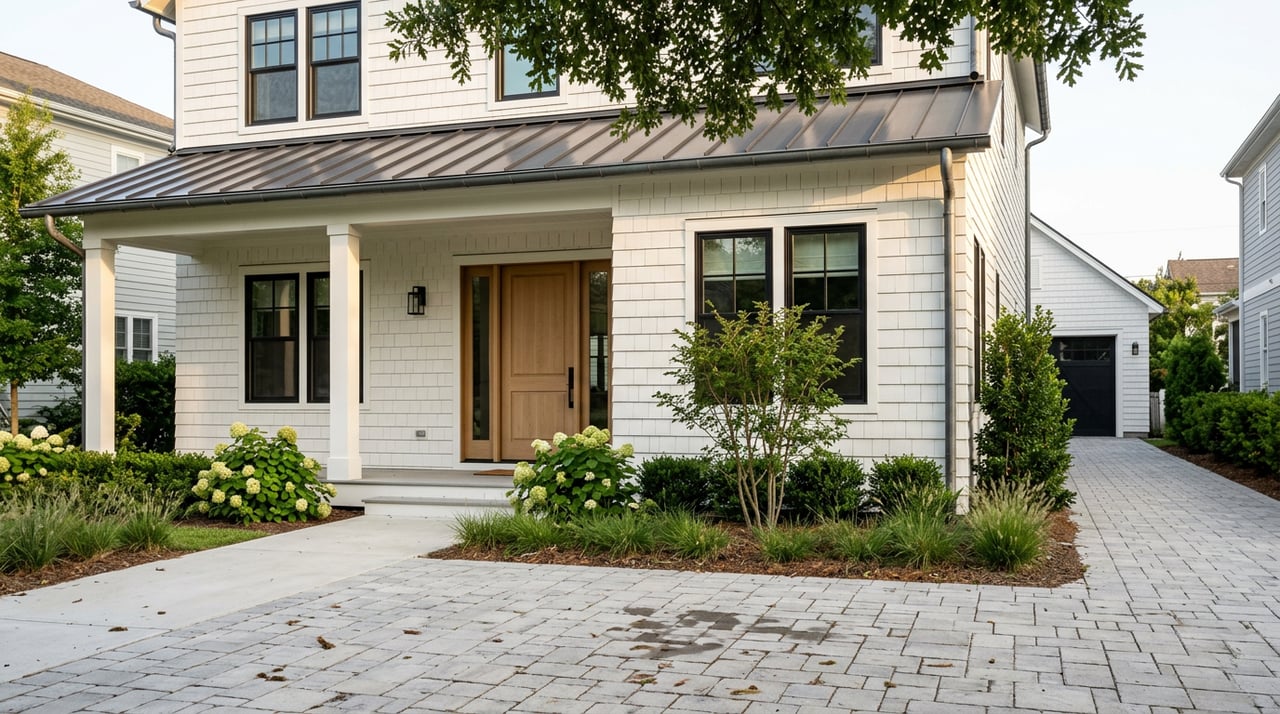
Is The North End Right For Your Next Move-Up Home
March 5, 2026
March 5, 2026
Craving more space by the ocean without giving up quiet streets and quick beach access? If you’re outgrowing your current home and want a refined coastal lifestyle, the North End in Virginia Beach could be a smart next step. In this guide, you’ll learn how the neighborhood maps out, what types of homes you can expect, parking and STR rules, flood and insurance realities, price context, and how to compete when the right property hits. Let’s dive in.
Locals often describe the North End as the oceanfront blocks north of about 42nd Street to roughly the high 80s, with First Landing State Park along the western edge and the Atlantic to the east. It is primarily residential with oceanfront condos, renovated beach cottages, three-story single-family homes, and bayside estates. Published boundaries vary, so focus on the specific street range or cross streets for any home you consider. Many buyers compare near-beach blocks to bayside pockets for lot size, privacy, and access differences.
If you want a year-round beach lifestyle with quick access to trails and water, the North End delivers. Blocks closer to First Landing offer a quieter feel and easy access to nature. Local public school assignments vary by block, so verify the current school map during your search. When looking farther north, consider proximity to grocery and medical services as part of daily convenience.
The area also works well for seasonal owners. Look for secure garages, modern alarm systems, and simple storm-prep features so you can arrive, relax, and lock up with confidence. If you plan not to rent, line up a local caretaker for storm checks and seasonal service. Reliable contractor contacts make off-season upkeep straightforward.
Virginia Beach strictly regulates short-term rentals. Some properties are grandfathered or sit in specific overlay areas where a permit or conditional use permit is required. Before you count on rental income, confirm eligibility and requirements in the Virginia Beach short-term rental rules. The city requires a submitted parking plan, life-safety reports, a $500 permit fee, and a local contact. On-street parking cannot be used to meet the required spaces in an STR parking plan.
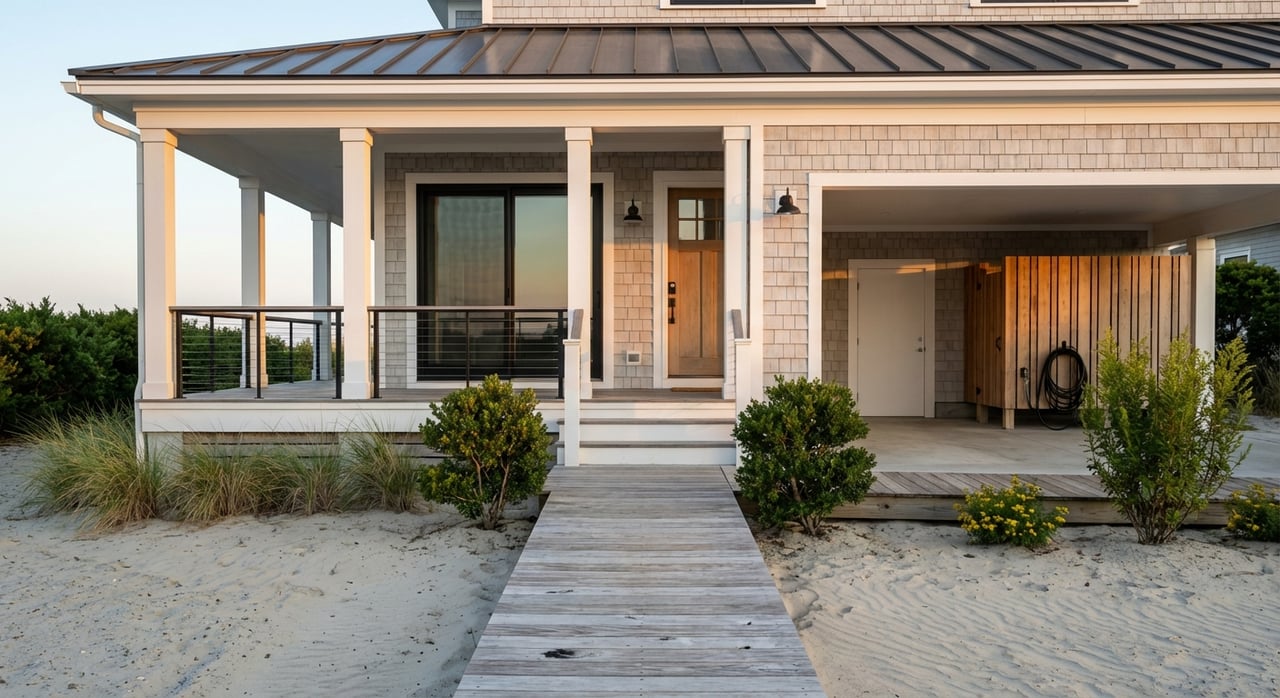
Expect a mix of oceanfront condos, vertical single-family homes with living areas above the ground level, small cottages that remain or have been replaced, and larger bayside estates with docks. Tear-downs and bespoke rebuilds are common, especially for buyers seeking bigger views and modern coastal construction. Lot size varies widely. Narrow oceanfront parcels are common, while bayside lots are often larger and sometimes reach half an acre or more.
Coastal build rules guide what can be added or rebuilt. Setbacks, dune protections, and elevation above Base Flood Elevation all matter. Ask for the parcel plat, recent surveys, and any elevation certificate early. For many homes, rear-alley access and off-street parking are valuable for daily living, guest visits, and any future renovation staging.
Side-street walkovers are frequent across the North End, and beach stretches here feel more residential and less commercial. Lifeguard coverage is seasonal and varies by location. First Landing State Park just to the west adds miles of trails, protected shoreline, and launch points, so you can balance beach mornings with shaded afternoon hikes or paddles.
Curb parking exists on many residential side streets, but enforcement is active and signs control what’s allowed. If you often host guests, study each block’s parking reality in person and review local parking restrictions north of 42nd Street. Rear-alley garages and on-site spaces reduce hassle and can improve daily livability. If income use is part of your plan, remember the city will not count on-street spaces in an STR parking plan.
Many oceanfront and some bayside parcels fall within FEMA Special Flood Hazard Areas like AE or VE. Virginia Beach requires new or substantially improved homes to meet or exceed Base Flood Elevation plus any required freeboard. Learn the basics in the city’s floodplain guidance. Lenders typically require flood insurance when a property sits in a mapped SFHA.
FEMA’s pricing update known as Risk Rating 2.0 makes flood premiums more property specific. Two homes that look alike can have different premiums based on elevation, distance to water, and build details. Review the background in this summary of FEMA’s Risk Rating 2.0 update, then get quotes early from an experienced coastal broker. Ask for an elevation certificate and verify the flood zone on the FEMA Map Service Center.
As a quick range, many snapshots in 2025 show North End medians around 1.1 million to 1.35 million, with higher prices for direct oceanfront and larger bayside estates. Months of supply is often tight at under two months, so the best homes move quickly. Because pricing can vary by just a few blocks, confirm the latest MLS stats and recent comparables that match your target street and setting.
In a low-inventory coastal enclave, speed and certainty help you stand out. A coordinated team can shorten timelines and reduce surprises.
When it is time to write, clean structure wins. Consider strong financing evidence, realistic timelines, and a tight but workable inspection window. Learn common tactics in NAR’s guide to multiple offers, and balance competitiveness with risk.
If you want beach access, a quieter residential vibe, and a home that can scale with your life, the North End deserves a close look. Understand the block-level differences, plan for flood and insurance details, and team up early so you can move decisively when a match appears. When you are ready, our local specialists can help you compare streets, size up parking and access, model insurance costs, and target the best-fit homes.
Ready to talk strategy for your move-up search in the North End? Connect with Missy L'Hoste & Team to schedule a free local market consultation.


Our knowledge of the area will allow us to focus on the best strategy to not only achieve your goals, but to exceed your expectations. We know how to take control and get the job done to your complete satisfaction. Work with the team now!