Is High-Rise Living Right For You?
December 4, 2025
December 4, 2025
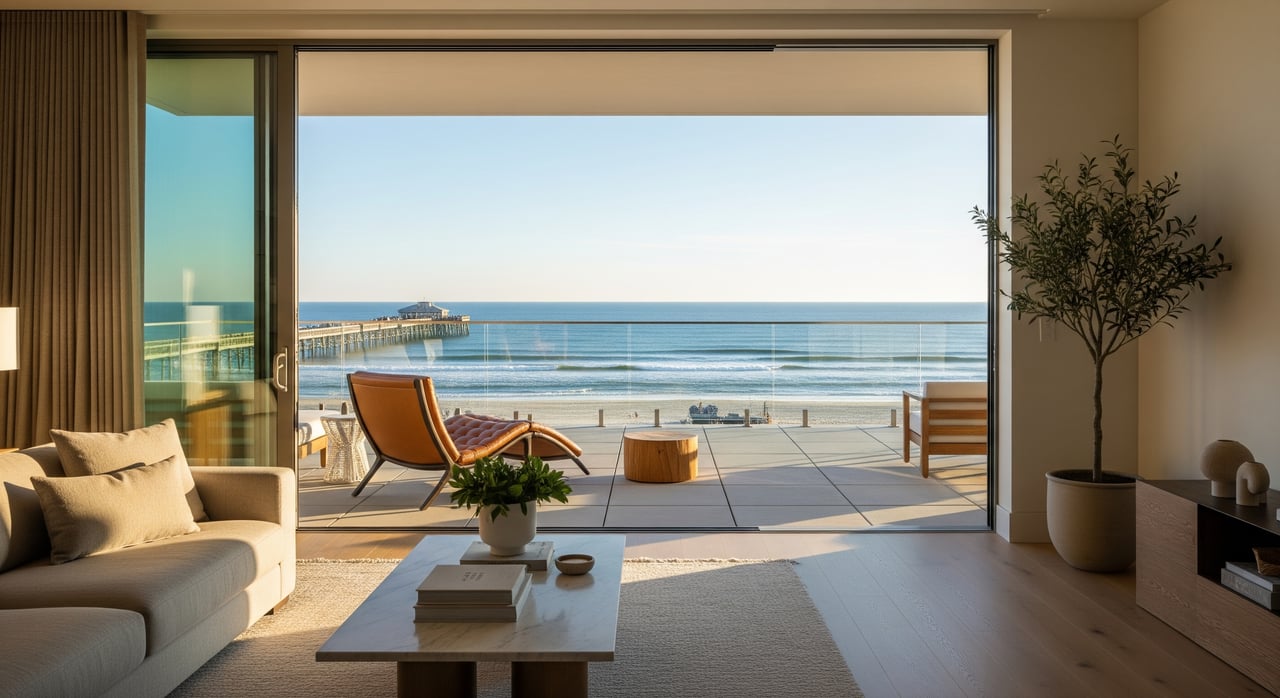
Do you picture riding an elevator to sweeping ocean or city views, then walking to dinner without moving your car? High-rise living in Virginia Beach can deliver that lifestyle, but it also comes with rules, added costs, and building-specific risks to weigh. If you are curious about condos around Town Center or the Oceanfront, a clear checklist can help you decide if the fit is right. In this guide, you will learn the tradeoffs, the must-ask building questions, and a step-by-step approach to due diligence. Let’s dive in.
Town Center offers an urban, mixed-use setting with restaurants, shops, offices, and cultural venues. You can prioritize walkability and services, which often appeals to professionals and downsizers who want a low-maintenance home base. Newer mixed-use towers tend to feature modern amenities and controlled access.
The Oceanfront delivers resort-style living with beach access and panoramic water views. Foot traffic and seasonal events are part of the scene, especially in summer. Buildings range from older towers to newer luxury options, and views, amenities, and construction materials vary widely.
If you want consistent walkability and city energy, Town Center is likely your match. If you want beachfront access, ocean views, and a seasonal rhythm, focus on Oceanfront towers and be ready to evaluate flood and storm considerations.
You can trade car time for on-foot living, especially near Town Center where restaurants, boutiques, and services cluster. Many towers include concierge, package rooms, and security, which streamline daily life. Elevators and controlled access add convenience for you and your guests.
Higher floors often bring bigger views, more natural light, and privacy from the street. Buildings may offer gyms, pools, lounges, and garage parking, though amenity sets differ by tower. Newer buildings sometimes include storm-ready features and building systems designed with coastal weather in mind.
The association typically handles exterior upkeep, common areas, landscaping, and elevators. That can free your time compared with traditional single-family home maintenance. You still maintain your own unit’s interior, so ask what the association covers versus what you cover out of pocket.
HOA dues can be significant and vary by building, amenity level, and insurance costs. Dues may change over time, and special assessments can occur for capital projects or deferred maintenance. Always ask for the current budget, audited financials, and the reserve study to gauge future risk.
Condos often have limited storage and smaller balconies. Rules can restrict pets, balcony use, grills, and short-term rentals. Read the CC&Rs and house rules before you fall in love with a unit.
Moves may require scheduling freight elevators, specific time windows, and approved movers. This is manageable, but plan ahead, especially in busy seasons. If stairs are a backup during elevator outages, confirm you are comfortable with that contingency.
Ask specifically whether dues include water, gas, cable/internet, parking, and any seawall or storm-related maintenance. Coverage varies and affects your monthly budget.
These items reveal whether major repairs are coming, if reserves are adequate, and how the community handles policy enforcement.
The association’s master policy usually insures the building structure and common elements. You are often responsible for insuring your unit’s interior finishes and improvements. Confirm deductible amounts, including any separate wind or hurricane deductibles, and how claims are handled.
Oceanfront and some low-lying areas can fall within FEMA-designated flood zones. If you finance with a mortgage, your lender may require flood insurance based on the building’s zone and elevation. Ask for the elevation certificate and any building flood mitigation features.
Coastal conditions accelerate corrosion on metal elements and can shorten maintenance cycles for balconies, railings, window frames, and HVAC components. Look for recent inspection reports or engineering reviews that address façade, glazing, and balcony conditions.
Parking setups differ: deeded garage spaces, assigned surface spots, tandem spaces, or valet in some mixed-use settings. Confirm the number of spaces that convey with the unit, their location, and any monthly fees for an extra vehicle. If you have a larger vehicle, verify height and clearance in older garages.
Ask about EV charging availability and rules. For guests, understand the building’s visitor parking policies, enforcement, and any time limits or fees. These details can be the difference between convenience and frustration.
Town Center towers may have street-level activity, nightlife, and deliveries. Higher floors often reduce street noise, though rooftop mechanical equipment can create its own sound. Oceanfront buildings experience seasonal tourism noise, boardwalk events, and steady ocean sounds that some love and others find distracting during storms.
When you tour, visit at different times of day and on different days of the week. Test windows and sliders for sound isolation and ask about any window replacement or hurricane-rated glazing. Ask the HOA if quiet hours exist and whether any noise complaints are common.
You will enjoy high-rise living if you value walkability, views, and a low-maintenance lifestyle more than private outdoor space and storage. You are also a fit if you are comfortable with HOA rules and can budget for dues and potential assessments. If flood risk, elevator reliance, or seasonal noise are deal breakers, a different property type may be better.
If you want help matching your lifestyle to the right building and making sense of HOA and insurance details, connect with Missy L'Hoste & Team. Our local specialists can guide you through building-by-building differences near Town Center and the Oceanfront so you can buy with confidence.





Real Estate
Understanding the Inspection Phase, Timelines, and How Decisions Move a Contract Forward.
Our knowledge of the area will allow us to focus on the best strategy to not only achieve your goals, but to exceed your expectations. We know how to take control and get the job done to your complete satisfaction. Work with the team now!