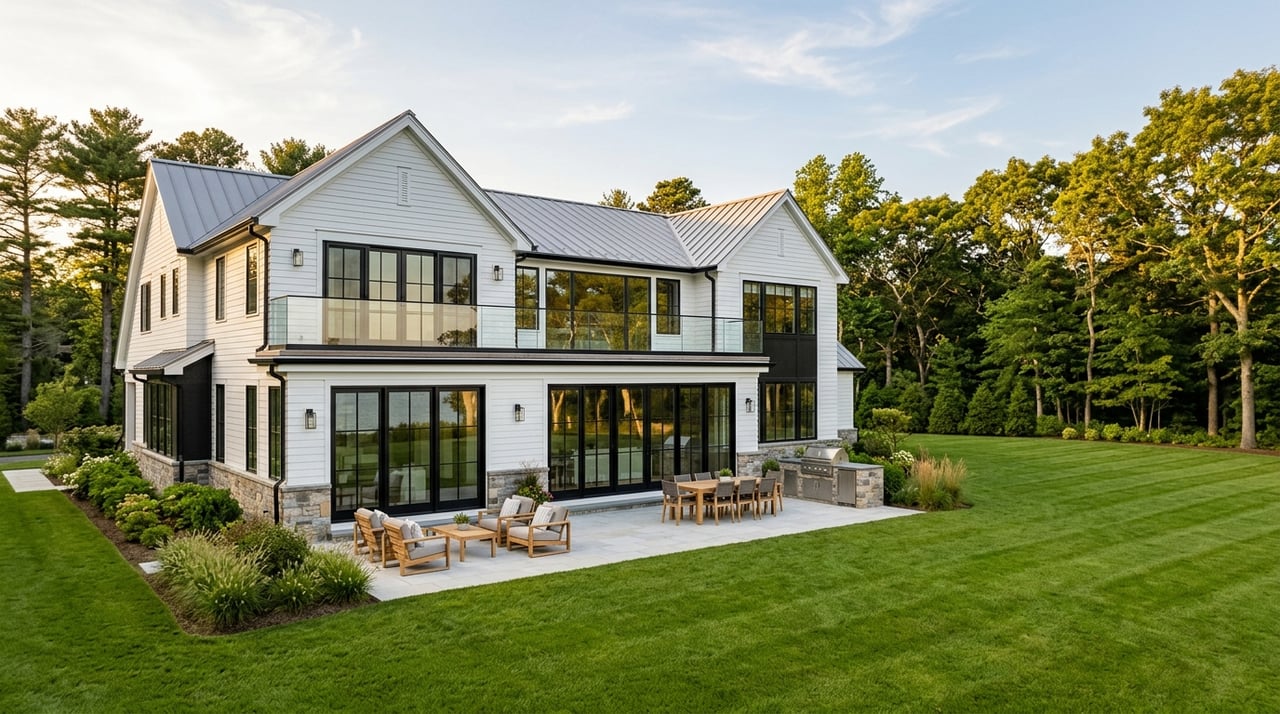
Is Suffolk Right For Hampton Roads Buyers Seeking Space
May 7, 2026
May 7, 2026
Wondering if moving a little farther out could get you the extra room you want? If you are comparing Suffolk with places like Norfolk or Virginia Beach, that question is probably less about price alone and more about how you want to live day to day. Suffolk can make a strong case for buyers who want more square footage, more yard space, or a newer home option, but it also comes with trade-offs you should weigh carefully. Let’s dive in.
Suffolk’s biggest advantage starts with scale. According to Census QuickFacts, Suffolk has 399.16 square miles of land and a population density of 236.3 people per square mile. That is very different from Norfolk, which has 53.28 square miles and 4,467.5 people per square mile, and Virginia Beach, which has 244.72 square miles and 1,877.5 people per square mile.
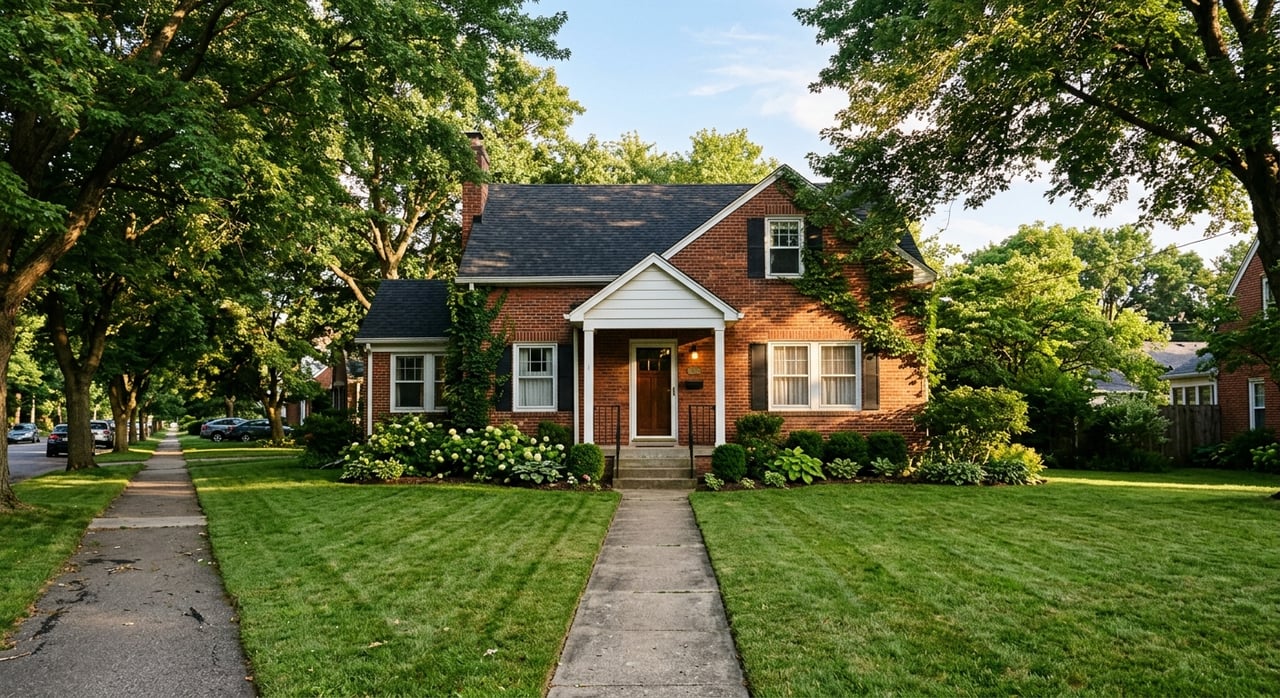
In practical terms, that lower density helps explain why buyers often look to Suffolk when they want more breathing room. If your wish list includes a larger lot, extra storage, space for a home office, or a layout that feels less compressed, Suffolk is often part of the conversation for a reason.
The city’s planning approach also matters. Suffolk is updating its long-range comprehensive plan, and the adopted Suffolk 2045 plan says growth is being directed to designated areas and coordinated with infrastructure and municipal services. For buyers, that points to a market shaped by ongoing growth rather than random expansion.
If Suffolk feels like it is getting more attention from buyers, the numbers support that. The city’s statistical digest shows Suffolk growing from 94,324 residents in 2020 to 104,251 in 2025. The same digest identifies Suffolk as the fastest-growing city in Hampton Roads.
That kind of growth does not automatically make a city the right fit for everyone. What it does suggest is that more buyers are seeing value in Suffolk’s mix of land, housing opportunity, and long-term development planning. If you are thinking ahead about resale, community growth is worth paying attention to.
Suffolk is not simply the cheapest option in Hampton Roads, and that is important to understand upfront. In March 2026, Suffolk’s median sale price was $393,105, with a median sale price per square foot of $210 and a median of 37 days on market.
For comparison, Norfolk’s March 2026 median sale price was $319,900, with a median price per square foot of $212 and 37 median days on market. Virginia Beach came in at a median sale price of $414,998, a median price per square foot of $247, and 26 median days on market.
The takeaway is simple. Suffolk’s value story is often about space and footprint, not a broad discount across the board. You may not see a dramatically cheaper price per square foot than Norfolk, but you may find a different mix of house size, lot size, and newer development options.
This is where buyer expectations matter. If you enter the Suffolk search assuming every home will cost less than other Hampton Roads options, you may be disappointed. A better way to think about Suffolk is this: you are often paying for more room to live, work, and spread out.
That can be a strong trade if your priorities include:
If your top goal is maximizing urban convenience or minimizing driving time, that trade may not feel as strong.
For many buyers, the real cost of more space is time. Census QuickFacts shows Suffolk’s mean travel time to work at 30.2 minutes. That compares with 23.0 minutes in Norfolk and 23.4 minutes in Virginia Beach.
That gap may or may not matter depending on your routine. If you work remotely, follow a hybrid schedule, or do not need to be in a closer-in job center every day, Suffolk may feel like a smart compromise. If you need the shortest possible commute into Norfolk or Virginia Beach, Suffolk may feel less convenient.
This is why your weekly habits matter just as much as your budget. A home can check every box on paper, but if the drive wears on you over time, the extra space may not feel worth it.
Suffolk also attracts buyers who want newer housing options. The city’s planning framework directs growth to designated areas, and residential construction activity remains active. The city digest reports that total residential permits climbed back above 1,000 in 2025 after dipping to 638 in 2022.
That does not mean every part of Suffolk looks the same or offers the same housing style. It does mean buyers searching for newer communities or recently built homes may find more opportunities here than they expect in more built-out areas.
For buyers who want modern layouts, updated systems, and homes designed around current living patterns, that can be a major advantage.
Space is not the only part of the decision. You also want to know what everyday life can look like once you move. Suffolk reports a park and recreation network that includes 4 regional parks, 15 neighborhood parks, 3 recreation centers, and 6 joint-use recreation centers.
That does not make Suffolk an urban-core environment, and it is not trying to be. Instead, it supports a lifestyle that may appeal to buyers who want room to spread out while still having access to public recreation amenities across the city.
For households looking at school enrollment trends as part of their move research, Suffolk Public Schools reports 14,605 students for the 2025-2026 school year. That figure helps provide basic local context as you compare areas and housing choices.
Suffolk is often a strong match for buyers whose home search starts with the word space. That can include move-up buyers who need more square footage, more land, or room for changing household needs.
It can also be a good fit for hybrid or remote workers. When you are not optimizing every decision around a daily drive, it becomes easier to prioritize lot size, home size, and newer construction.
New-construction shoppers may also want Suffolk on their shortlist. The city’s planning and permit activity support the idea that ongoing residential growth remains part of the market.
Suffolk is not the best answer for every buyer. If your daily routine depends on staying close to Norfolk or Virginia Beach, the longer average commute may be a deal breaker. That is especially true if you value quick access over extra square footage.
It may also be a less natural fit if you want a denser, more walkable urban routine. Suffolk’s appeal is more space-first and growth-oriented, not close-in and compact.
That does not make one choice better than another. It simply means the right city depends on how you rank your priorities.
Before you decide whether Suffolk belongs at the top of your list, ask yourself a few honest questions:
These questions can help you move beyond broad assumptions and focus on the lifestyle fit. In real estate, the best choice is often the one that lines up with how you actually live.
If you are looking for more room in Hampton Roads, Suffolk deserves a serious look. Its large land area, lower density, ongoing growth, and continued residential development make it one of the region’s clearest options for buyers who want space first.
At the same time, the trade-off is real. You may gain yard space, square footage, and newer-home possibilities, but you may also give up some convenience if your work or lifestyle centers on Norfolk or Virginia Beach.
The key is not asking whether Suffolk is universally better. It is asking whether Suffolk is better for you. If you want help comparing Suffolk with the rest of Hampton Roads based on your budget, commute, and must-have features, connect with Missy L'Hoste & Team for local guidance.
Our knowledge of the area will allow us to focus on the best strategy to not only achieve your goals, but to exceed your expectations. We know how to take control and get the job done to your complete satisfaction. Work with the team now!