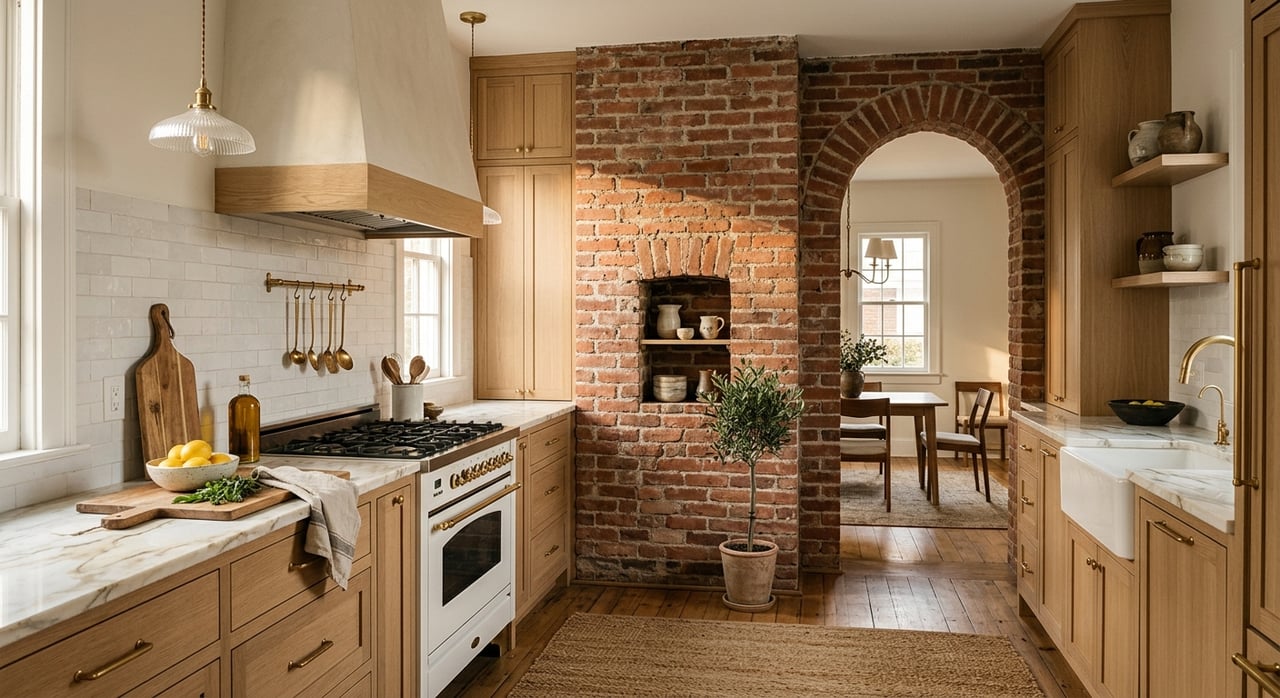
Buying A Historic Home In Ghent: Renovation Realities
May 21, 2026
May 21, 2026
Thinking about buying a historic home in Ghent? It is easy to fall for the tall windows, deep porches, and architectural detail that newer homes rarely match. But before you picture paint colors and kitchen updates, it helps to understand what you are really buying, what the City of Norfolk may review, and where renovation costs tend to show up first. Let’s dive in.
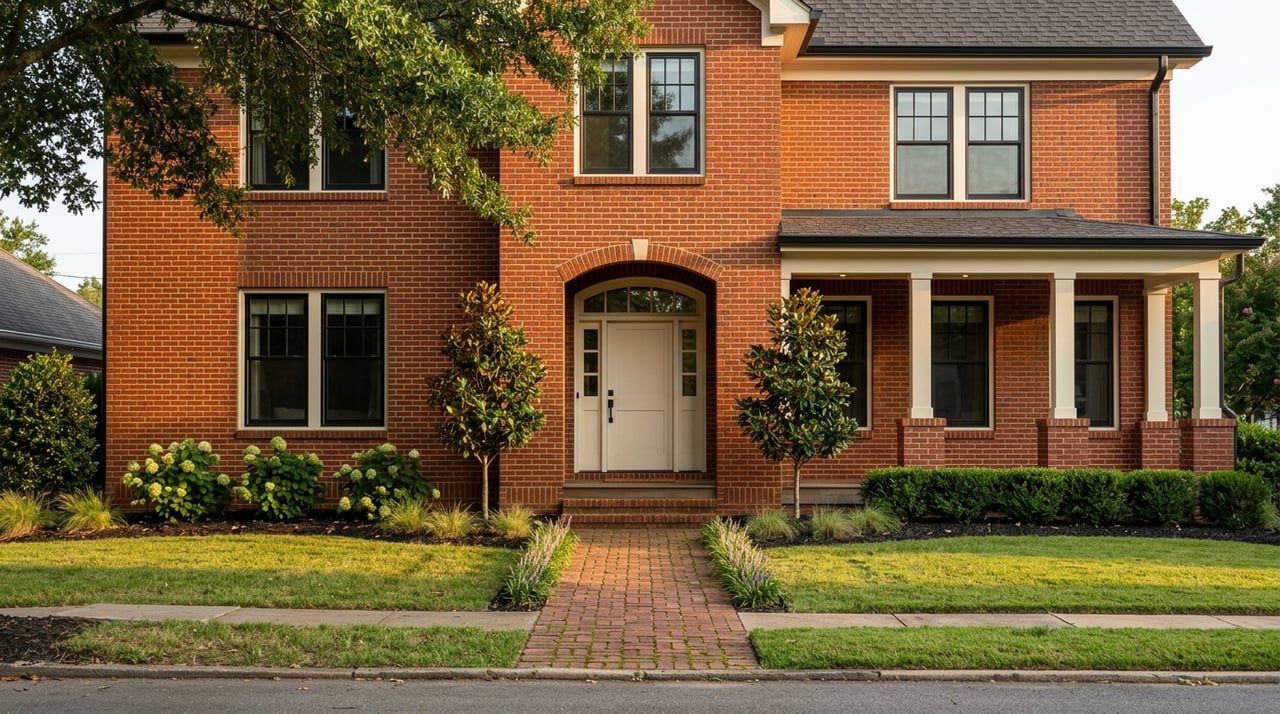
Ghent developed as a planned late-19th- and early-20th-century suburb in Norfolk, with tree-lined streets, landscaped open spaces, and a mix of architectural styles that still shape the area today. Across Ghent and nearby North Ghent, you may see Queen Anne, Colonial Revival, Shingle, Tudor Revival, and Romanesque Revival influences.
That matters because a historic home’s value is often tied not just to square footage, but to its original form, details, and relationship to the streetscape. When you buy in Ghent, you are often buying a home whose character is a major part of its appeal and long-term value.
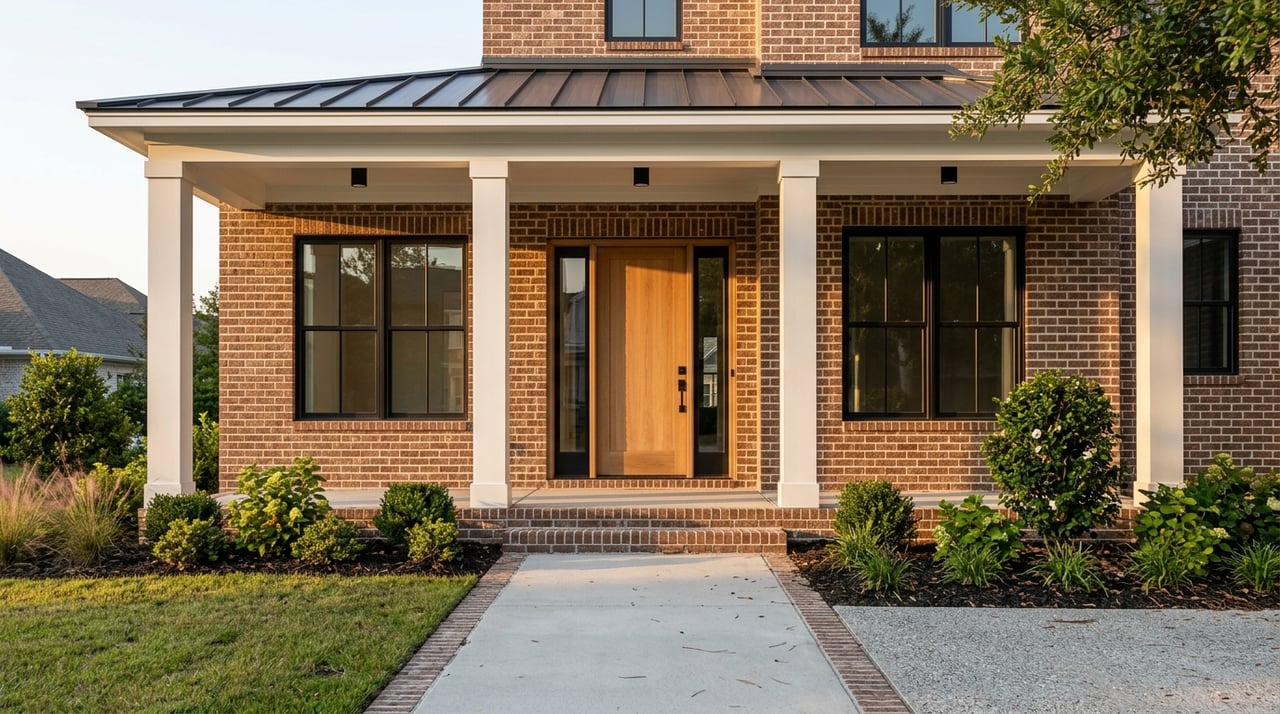
In Ghent-era homes, certain features usually carry extra weight during renovations. Norfolk’s preservation guidance emphasizes keeping character-defining features whenever possible instead of replacing them all at once.
Common features that may matter include:
If you are touring homes, try to notice these details early. They can affect both your renovation options and your future budget.
One of the biggest renovation realities in Ghent is that not all historic designations work the same way. A National Register or Virginia Landmarks Register listing is honorary by itself and does not automatically control an owner’s renovation choices.
A local historic district is different. In Norfolk, the Architectural Review Board reviews exterior alterations, new construction, and some demolition in local historic districts, and approved work receives a Certificate of Appropriateness before permits are issued.
Before you close, confirm the property’s district status by address. Norfolk notes that if a property is in a local historic district, the district name appears in the city’s lookup tool.
Historic-home due diligence should go beyond the usual inspection checklist. If exterior work was done before, you want to know whether it was reviewed and approved under local rules.
Ask for prior exterior permits, Certificates of Appropriateness, and contractor documentation, then compare those records with what you can actually see at the property. This is especially useful if windows, porches, additions, roofing, or site work appear newer than the rest of the house.
In older coastal homes, moisture is often the hidden issue that changes a renovation budget. National Park Service guidance says warning signs can include standing water, mold, wet stains, peeling paint, musty odors, rust, warped or rotted wood, spalled masonry, failed roofs or gutters, and condensation.
Moisture can travel far from its source, which makes diagnosis harder than many buyers expect. In Norfolk, that concern carries even more weight because the city’s historic guidance notes increasing high-water and flooding risk, and some local historic district properties are in coastal flood zones.
For many Ghent homes, lead-based paint should be treated as a likely issue from day one. EPA guidance says the older the home, the more likely it is to contain lead-based paint, and for pre-1978 homes it recommends assuming it is present or hiring a certified inspector or risk assessor.
Historic-preservation guidance also notes that lead-based paint is often found on wooden trim and other glossy surfaces in historic buildings. That means a renovation plan should account for lead-safe work, especially if you plan to disturb painted original materials.
Asbestos deserves the same level of caution. EPA says you usually cannot tell by sight whether a material contains asbestos, and damaged materials or materials that may be disturbed by renovation should be handled by a trained and accredited asbestos professional.
These are often the areas where buyers discover the gap between a cosmetic update and a preservation-aware renovation. Historic windows are a good example. Guidance from the National Park Service says repair should be the first option, with replacement reserved for severe documented deterioration.
Norfolk’s draft guidelines take a similar position and reject wholesale window replacement and vinyl replacement windows in visible historic settings. The city also discourages screening front porches, altering porch roof forms, replacing historic roofing materials with different-looking products, and removing historic foundations when repair is still possible.
If a house needs work in these areas, expect the conversation to focus on repair quality, matching details, and visual compatibility rather than quick off-the-shelf replacements.
Older homes can absolutely be updated for comfort and performance, but in historic settings the path matters. Norfolk’s draft guidelines call for minimizing exterior penetrations, placing new equipment in minimally visible locations, and screening roof-mounted equipment so it does not detract from the building or district character.
For you as a buyer, that means HVAC, electrical, plumbing, and flood-related work should be planned as part of a larger design strategy. Good results often depend on where equipment goes, how lines are routed, and how visible the changes will be from the street.
One of the smartest mindset shifts is this: your first renovation dollars may need to go toward finding problems, not picking finishes. Hidden moisture issues can take time to diagnose, and rushing into quick fixes can create bigger problems later or lead to unnecessary loss of historic materials.
A realistic Ghent budget usually starts with the inspection stack, then moves to water management and building-envelope repairs, then systems, and only after that to cosmetic work. That sequence helps protect both the structure and your budget.
In historic homes, replacement is not always the default. Norfolk’s guidance, based on the Secretary of the Interior’s Standards, favors repairing original materials and matching the old in design, color, texture, and where possible material when replacement cannot be avoided.
That often means costs tied to custom carpentry, historic-millwork replication, masonry repair, and carefully chosen substitute materials where guidelines allow them. Even when a solution is more cost-effective, it still needs to fit the building’s character.
In Ghent, flood-related work should be treated as a real line item during your planning. Norfolk’s guidance encourages documenting character-defining features before flood adaptation, using minimally visible barriers and vents where possible, and keeping utilities and equipment out of exposed locations.
That can mean added design time, added review time, and a more detailed scope than buyers first expect. If the property has flood exposure, build that reality into your timeline from the beginning.
If you are serious about buying a historic home in Ghent, a clear order of operations can help you avoid expensive surprises.
Buying a historic home in Ghent can be incredibly rewarding, but it works best when you go in with a clear plan. You are not just buying charm. You are buying materials, details, and conditions that may call for more patience, more documentation, and more specialized work than a newer home.
The upside is that careful planning helps you protect what makes the home special while avoiding rushed decisions that can hurt value or create avoidable costs. If you are considering a Ghent purchase, local guidance and thoughtful due diligence can make a major difference in how confident you feel from contract to closing.
If you want help evaluating a Ghent home, understanding local buying considerations, or planning your next move in Coastal Virginia, connect with Missy L'Hoste & Team.
Our knowledge of the area will allow us to focus on the best strategy to not only achieve your goals, but to exceed your expectations. We know how to take control and get the job done to your complete satisfaction. Work with the team now!