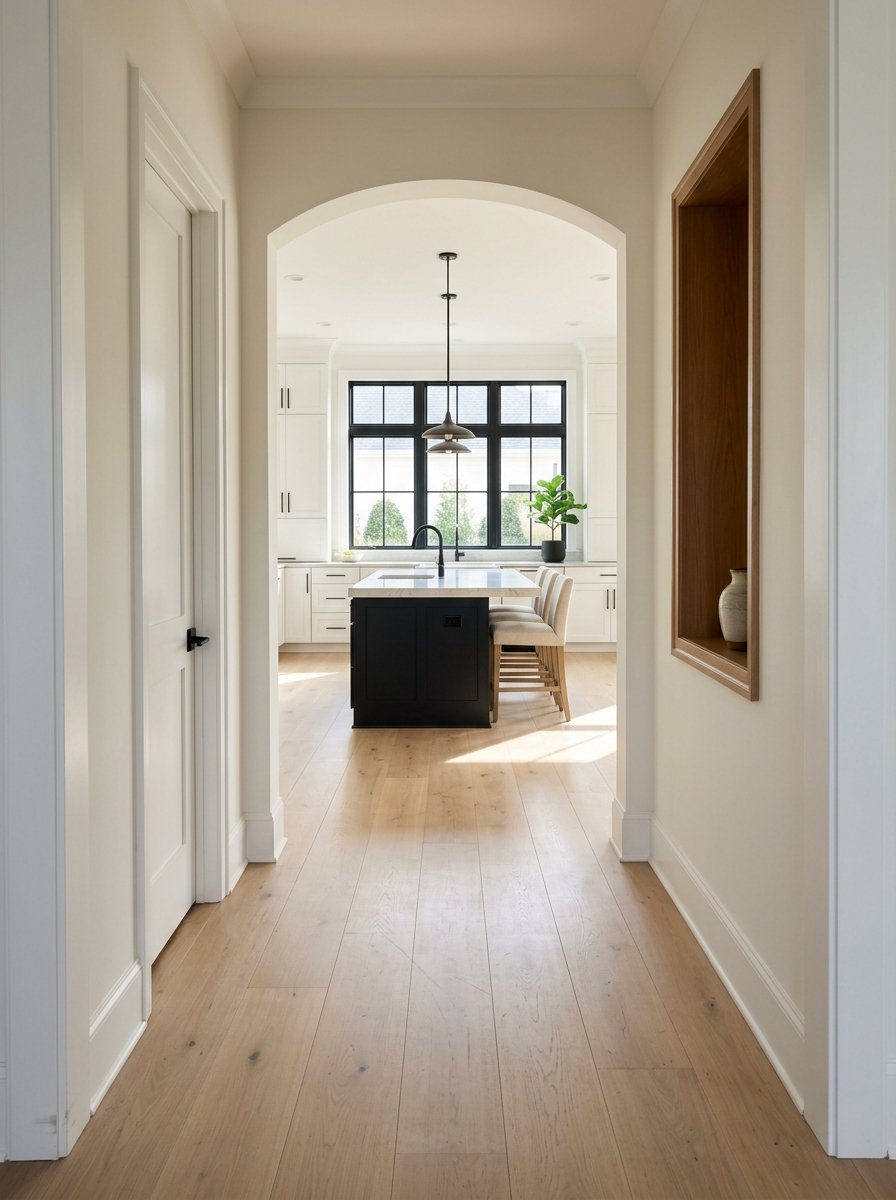
New Construction Or Resale In Suffolk
June 11, 2026
June 11, 2026
Trying to choose between a brand-new home and an older resale in Suffolk? You are not alone. Suffolk gives buyers a wide range of options, from newer townhome communities in the low to mid price bands to established neighborhoods with larger lots and more variety. If you are weighing your next move, this guide will help you compare price, timeline, lot size, location, and day-to-day lifestyle so you can make a smarter decision with confidence. Let’s dive in.
Suffolk is one of those markets where new construction and resale both make sense, depending on what matters most to you. Current market data shows a median listing price around $415,500, while recent sale prices and home value estimates trend lower, roughly in the high $300,000s. Homes are also moving at a moderate pace, with many going pending or selling in about 30 to 34 days.
That range matters because Suffolk has a broad housing mix. According to the city, about 30.7% of homes were built in 2000 or later, while 41.8% were built between 1970 and 1999. In simple terms, you are shopping in a market where newer communities and established resale neighborhoods sit side by side, often at very different price points and with very different tradeoffs.
If you want a home with newer finishes, modern layouts, and less immediate repair risk, new construction can be very appealing. In Suffolk, current new-home options range from attached homes at more accessible starting prices to single-family homes reaching into the mid-$600,000s.
Examples in the market show that entry-level attached options can start in the low to mid-$200,000s. On the detached side, communities like Planters Station begin around $436,900, while River Highlands starts at $479,000 and includes homes that are already priced into the mid-$500,000s and above.
One of the biggest draws of new construction is the feel of the home itself. You may find more open floor plans, newer materials, and a layout that fits how people live today. That can be especially appealing if you want a more move-in-ready experience without planning updates right away.
You may also have the chance to choose finishes or a homesite, depending on the stage of construction. That flexibility can help you personalize the home, but it can also affect the final cost.
A new-build price can look straightforward at first, but it is usually more layered than a resale list price. Lot premiums, structural options, and design upgrades can push the contract price higher than the advertised starting point.
That means your real comparison should go beyond the base number. You will want to look closely at what is included, what costs extra, whether the home is already under construction, and what incentives may be available.
In Suffolk, many current new detached homes sit on smaller, more standardized homesites than older resale homes. Market examples show newer single-family lots around 0.16 to 0.18 acres, and one active River Highlands example shows a lot under 0.10 acres.
That smaller-lot setup works well for some buyers. If you want a lower-maintenance yard or prefer a more uniform community feel, that may be a plus. If you want more outdoor space, though, resale may offer more room.
Resale homes give you something new construction often cannot: more variety. In Suffolk, resale ranges from lower-priced homes near downtown to higher-priced homes in established neighborhoods across the northern part of the city.
Downtown Suffolk shows a median listing price around $284,000, while Nansemond is around $414,000, Chuckatuck is about $445,000, Sleepy Hole is around $467,500, and The Riverfront at Harbour View is near $679,000. That wide spread means resale can work for many different budgets and goals.
If lot size is high on your list, resale deserves a close look. Current examples in Suffolk show resale homes on lots around 0.64 acres in Nansemond, 0.68 to 2.24 acres in Sleepy Hole, and land opportunities in Chuckatuck well above that.
For many buyers, this is the clearest advantage of resale. You may get more yard space, more privacy, more mature surroundings, and a less standardized neighborhood feel.
The tradeoff is that older homes can come with older systems, dated finishes, or utility improvements. Suffolk’s long-range planning documents note that some older housing may need retrofitting with modern utilities, even when the home itself remains usable.
That does not make resale a bad option. It simply means you should budget for possible repairs, improvements, or maintenance sooner than you might with a newly built home.
For many Suffolk buyers, the biggest difference between new construction and resale is not style. It is timing.
A resale home usually closes faster. Once your offer is accepted, the typical closing period is often around 30 to 45 days. That can be a major benefit if you are relocating, trying to line up a sale and purchase, or simply want to move on a more predictable schedule.
With new construction, the timeline depends on whether the home is already underway or still to be built. Quick move-in homes can reduce your wait, but homes that have not started or are in early stages may take several months or longer.
In Suffolk, new homes must move through local permitting and inspections before a certificate of occupancy is issued. The city’s process includes checkpoints such as footing, framing, insulation, rough-in work, final trade inspections, lot grading, and final building steps. That is why the finish date on a new home is often more predictable when the home is already under construction.
Suffolk is a large city, so where you live affects more than just your address. It can shape your commute, your daily errands, and how quickly you can connect to other parts of Hampton Roads.
The average commute in Suffolk is about 30.2 minutes. Major road access matters here, especially for buyers traveling toward other regional employment centers.
Many of Suffolk’s current new-home communities are concentrated in north and northeast Suffolk. Communities like River Highlands and Planters Station are being marketed in part around access to Route 58 and nearby shopping or daily conveniences.
That makes these areas especially attractive if your priority is newer housing with easier access to main roads. For some buyers, that convenience is enough to tip the scale toward new construction.
Established resale neighborhoods can offer larger lots and more variation, but sometimes with a longer drive to major road connections depending on the exact location. If you are looking in areas deeper into Suffolk, it is smart to compare not just the house, but also your weekly driving pattern.
That kind of comparison can change the answer quickly. A larger resale home may win on space, while a smaller new home may win on time savings and convenience.
If you are still stuck between the two, try narrowing the decision to your top priorities. In Suffolk, the right answer is often less about whether new or resale is better overall and more about which tradeoffs feel right for your move.
Here is a simple way to think about it:
In Suffolk, both paths can be smart. New construction often gives you a newer product and a more current design, but sometimes on a smaller lot and with a longer wait. Resale often gives you more land, more variety, and a quicker closing, but it may also come with older finishes or repair needs.
That is why local guidance matters. The details that shape the best choice are often specific to your price range, commute, timeline, and comfort level with maintenance or upgrades.
If you are comparing communities, lot sizes, and timelines in Suffolk, working with a local team can help you look past the marketing and focus on what really fits your move. When you are ready to talk through your options, connect with Missy L'Hoste & Team for local insight and clear next steps.

Our knowledge of the area will allow us to focus on the best strategy to not only achieve your goals, but to exceed your expectations. We know how to take control and get the job done to your complete satisfaction. Work with the team now!