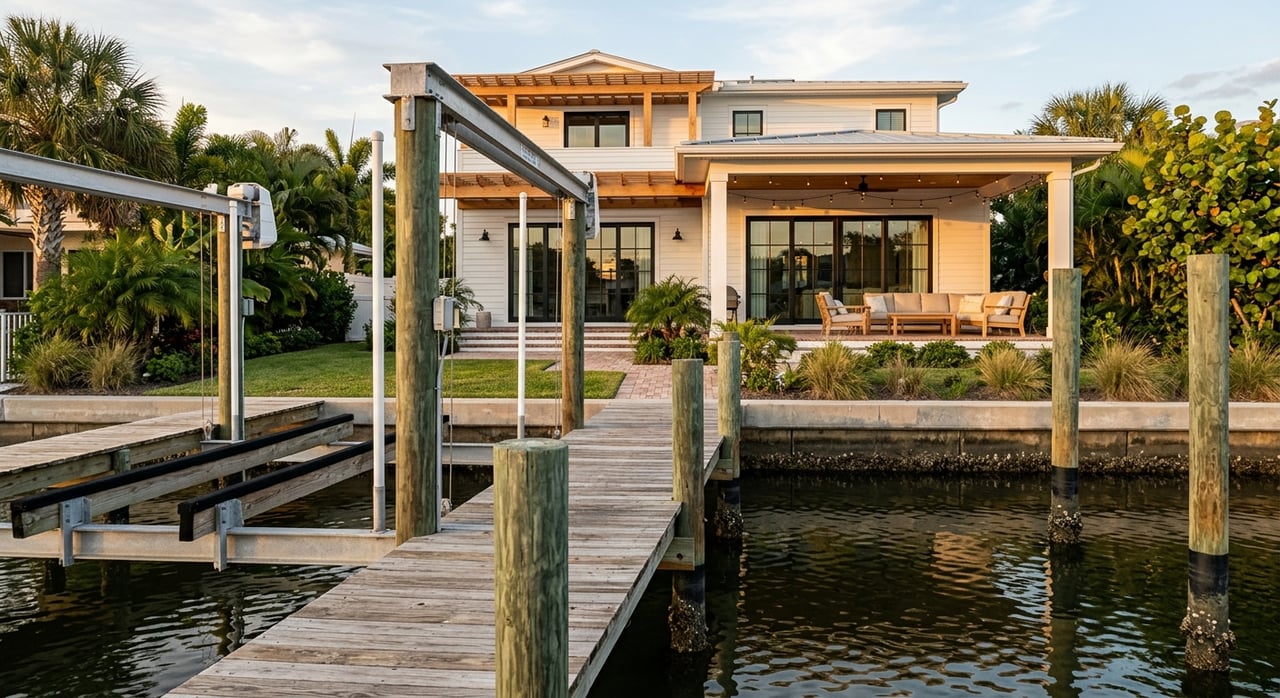
Waterfront Living In Bay Island: A Boater’s Guide
May 28, 2026
May 28, 2026
Dreaming about stepping from your backyard onto your boat? In Bay Island, that idea is not just a luxury detail. It is part of how the neighborhood was designed. If you are considering buying or selling here, it helps to understand how canals, docks, tides, flood zones, and permits shape daily life. Let’s dive in.
Bay Island stands out because it was developed with canals that provide direct water access for all lots, including many interior lots. That design gives the neighborhood a boating identity that feels different from communities where only a small group of homes sit on the water.
Recent Bay Island listings support that reputation. Homes are often described with features like deep-water access, canal frontage, bay frontage, private docks, and boat lifts. For many buyers, that means Bay Island offers more than a water view. It offers a launch point for an on-the-water lifestyle.
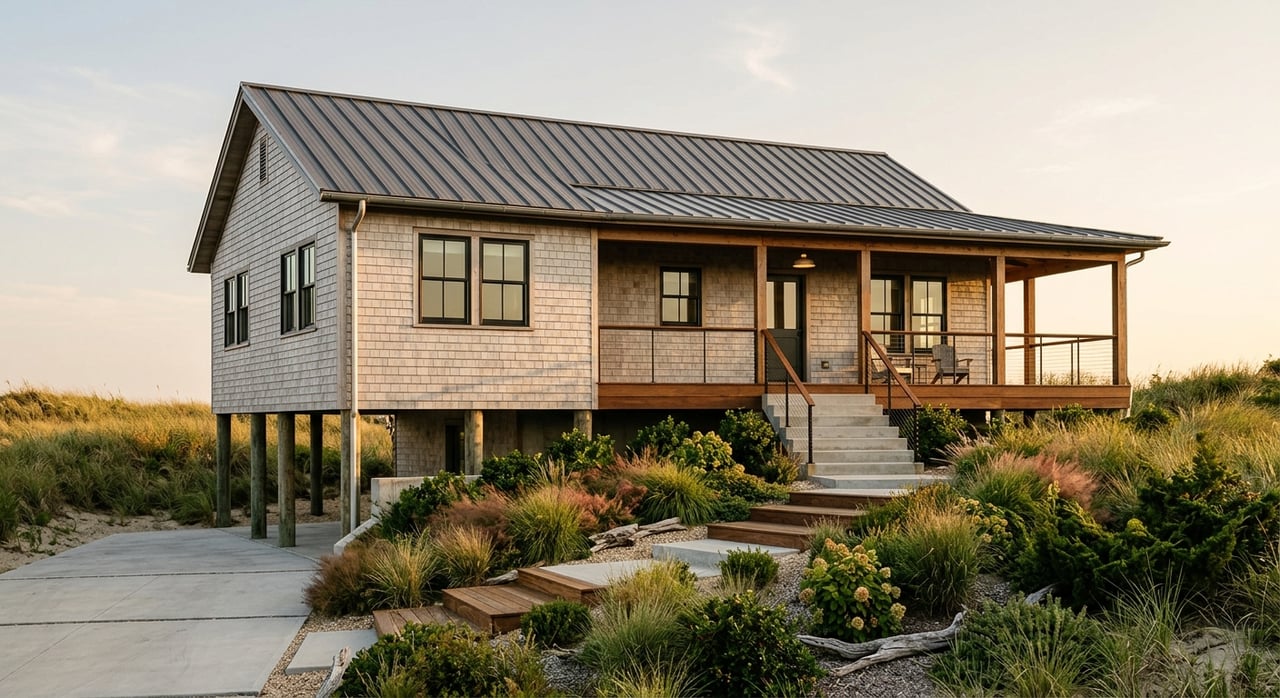
In Bay Island, boating setups can vary from lot to lot. Some homes feature private docks with lifts, bulkheads, floating docks, or protected slips. Others may include extras like shore power, running water at the dock, jet-ski docks, wraparound decks, screened porches, pools, or whole-house generators.
That variety matters when you shop for a home. Two waterfront properties in the same neighborhood can offer very different boating experiences depending on the dock layout, water depth, and the condition of the waterfront improvements.
Here are some features that show up in recent Bay Island listings:
If boating is a top priority, you will want to look beyond the house itself and focus on how these details fit your needs on the water.
One of the biggest questions buyers ask is simple: Will my boat fit here? The answer depends on the specific property.
Recent listing examples in Bay Island mention lifts rated around 10,000, 12,000, 14,000, and 15,000 pounds. One listing also noted dock space for a 45-foot yacht. That tells you the neighborhood can accommodate a range of vessels, but not every lot will support the same size or setup.
In practical terms, Bay Island often works well for smaller runabouts, center consoles, and mid-size recreational boats. Some lots may handle much larger craft, but you should confirm the dock geometry, water depth, and existing lift capacity for the exact property you are considering.
Living on the water also means living with changing water levels. The nearby Sewells Point station is a semidiurnal tidal site, which means the area typically experiences two high tides and two low tides each day. Water levels are shaped not only by normal tides, but also by seasonal winds and currents.
For you, that has real day-to-day impact. Launching, returning home, and maneuvering in shallower areas may be easier during certain tide windows, especially when water is lower. If you plan to use your boat often, tide awareness becomes part of your routine.
Tide conditions can affect:
This does not mean Bay Island is difficult for boaters. It simply means waterfront living here rewards owners who pay attention to local conditions.
Waterfront living in Virginia Beach is about more than sunny weekends. Atlantic hurricane season runs from June 1 through November 30, and the City of Virginia Beach notes that local flood threats are often tied to heavy rain, hurricanes, and nor'easter storms.
That makes storm prep part of owning a home in Bay Island. If you buy here, it is wise to think about your dock, lift, mechanical systems, and post-storm inspection plan as part of regular homeownership. Buyers who understand that upfront are usually better prepared for the realities of life on the water.
If you are buying in Bay Island, flood zone status should be part of your early due diligence. Virginia Beach notes that development in Special Flood Hazard Areas requires permits, and the city participates in the National Flood Insurance Program.
Flood insurance is also separate from standard homeowners insurance. In coastal flood zones, risks can include surge and wave hazards, so it is important to review flood zone maps, elevation information, and likely insurance costs before you move forward.
When you are evaluating a Bay Island property, ask about:
These details help you understand the true cost and upkeep of waterfront ownership.
Many waterfront buyers assume they can update a dock or shoreline feature whenever they want. In Virginia Beach, that is not always the case.
If you plan to build, replace, dredge, stabilize, or modify shoreline improvements, the permit process may involve the Virginia Marine Resources Commission and the Virginia Department of Environmental Quality. Work affecting tidal wetlands or subaqueous lands may also require state authorization.
This is one reason local guidance matters so much in Bay Island. A waterfront improvement that looks simple on the surface may involve city and state review depending on the scope of work.
A waterfront property has systems and structures that need regular attention. City flood guidance points to practical steps such as installing check valves, elevating or protecting mechanical systems, and checking with planning staff before starting projects.
In Bay Island, that maintenance mindset extends to the dock, lift, bulkhead, and post-storm inspections. Even if a home looks move-in ready, you will want to understand the condition and service history of the waterfront components, not just the interior finishes.
Before you buy, consider reviewing:
A clear picture of these items can help you avoid surprises after closing.
Bay Island is not a neighborhood where every waterfront home functions the same way. One property may offer a canal setup that suits a center console perfectly, while another may have a different dock layout, larger lift, or different exposure to flood risk.
That is why buying here is often a lot-by-lot decision rather than a neighborhood-only decision. You are not just choosing Bay Island. You are choosing a specific water connection, dock setup, and maintenance profile.
When you are looking at waterfront homes, the right questions are very specific. What water does the lot actually touch? What is the lift capacity? Is the dock permitted and maintained? What flood zone is the home in? What upgrades may require city or state approval?
Those are not small details. They shape how well a property fits your boating goals and your long-term budget. In a neighborhood like Bay Island, local guidance can help you compare homes with more confidence and spot the differences that are easy to miss in photos.
Whether you are searching for a boat-friendly home or preparing to sell a Bay Island property with valuable waterfront features, working with a team that understands coastal Virginia can help you move forward with clarity. If you are ready to talk through your options, connect with Missy L'Hoste & Team.

Our knowledge of the area will allow us to focus on the best strategy to not only achieve your goals, but to exceed your expectations. We know how to take control and get the job done to your complete satisfaction. Work with the team now!