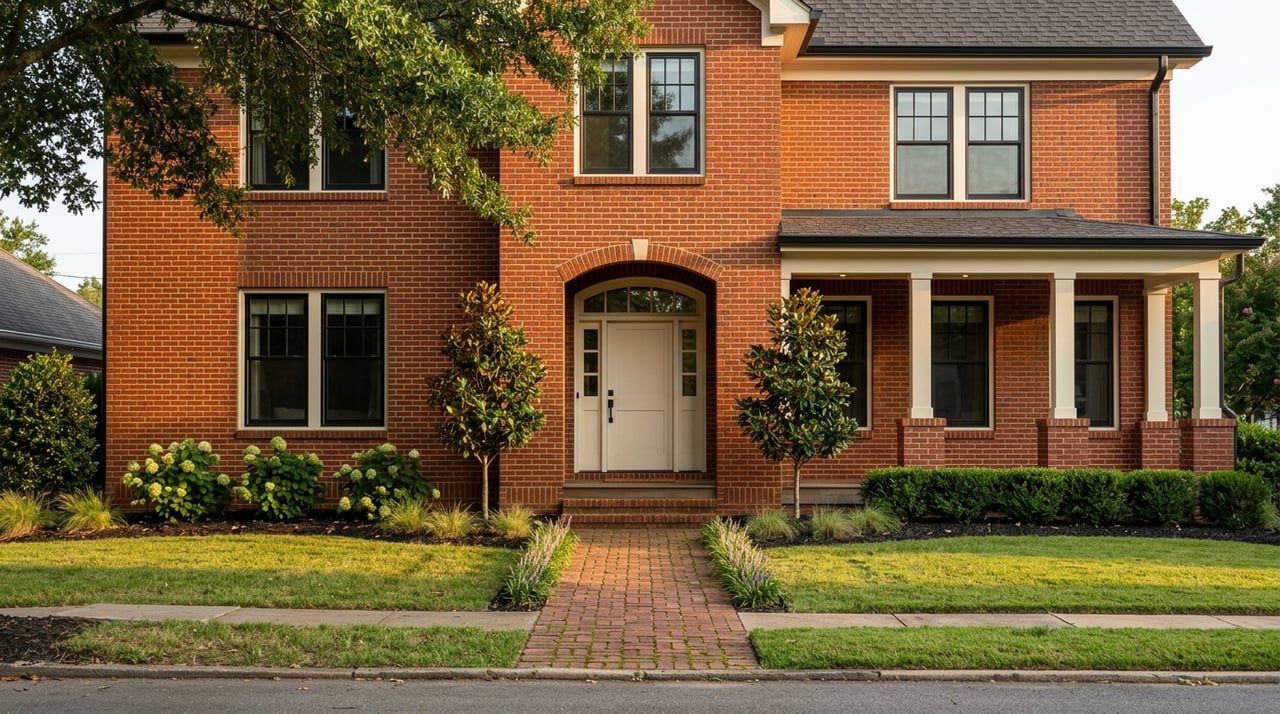
Relocating To Norfolk VA: A Practical Housing Overview
July 2, 2026
July 2, 2026
Thinking about a move to Norfolk? You are not alone, and the city can feel a little hard to size up at first. Between waterfront living, historic neighborhoods, military-driven demand, and very different price points from one area to the next, Norfolk rewards buyers and renters who look closely before making a move. This practical overview will help you understand how the housing market works, what kinds of neighborhoods you will find, and what to verify before you commit. Let’s dive in.
Norfolk is a 66-square-mile city with about 235,000 residents, more than 100 neighborhoods, seven miles of Chesapeake Bay beachfront, and 144 miles of shoreline. It is also home to the world’s largest naval base, along with major employers like Old Dominion University, Norfolk State University, Tidewater Community College’s downtown campus, Eastern Virginia Medical School, Sentara, and CHKD. That mix shapes housing demand across the city.
One of the most important things to know is that Norfolk does not move as one uniform market. Recent snapshots show a citywide median sale price of $324,000 for the three months ending April 2026, while the median listing price was reported at $349,000 in May 2026, with homes selling at about asking on average. At the same time, some ZIP codes show very different pricing, including about $299,900 in 23504, around $365,000 in 23503, and about $449,000 in 23518.
For you, that means broad citywide numbers are useful, but they are only the starting point. Your real budget and options will depend on the part of Norfolk you target, the housing type you want, and how close you need to be to work, the water, or downtown.
Norfolk offers a mix of urban, historic, coastal, and more residential settings. If you are relocating from outside Hampton Roads, it helps to think less in terms of one city identity and more in terms of several distinct housing experiences.
Some newcomers want walkability and a more urban setting. Others want shoreline access, more residential streets, or easier access to the naval base. Norfolk can offer each of those, but usually not all at once.
If you are drawn to older architecture and a more urban lifestyle, Norfolk’s historic core is often where your search begins. The city identifies Downtown Historic District as its oldest and longest-occupied commercial quarter, while Ghent is known for planned suburban neighborhoods built around the turn of the twentieth century. East Freemason adds another distinct option with late-1700s and mid-1800s architecture.
Downtown redevelopment helped expand condominiums, apartment communities, office towers, hotels, light rail access, and mixed-use living. In practical terms, this is one of the strongest options if you want a more walkable lifestyle instead of a conventional suburban lot pattern. The First Precinct includes Downtown, Ghent, and Larchmont/Edgewater/ODU, which can help you organize your search geographically.
There is one key caution with historic housing. If a property is in a local historic district, exterior changes, new construction, and sometimes demolition may require Architectural Review Board review and a Certificate of Appropriateness. So while these homes and districts can offer character and location, they may come with more rules if you hope to change the exterior later.
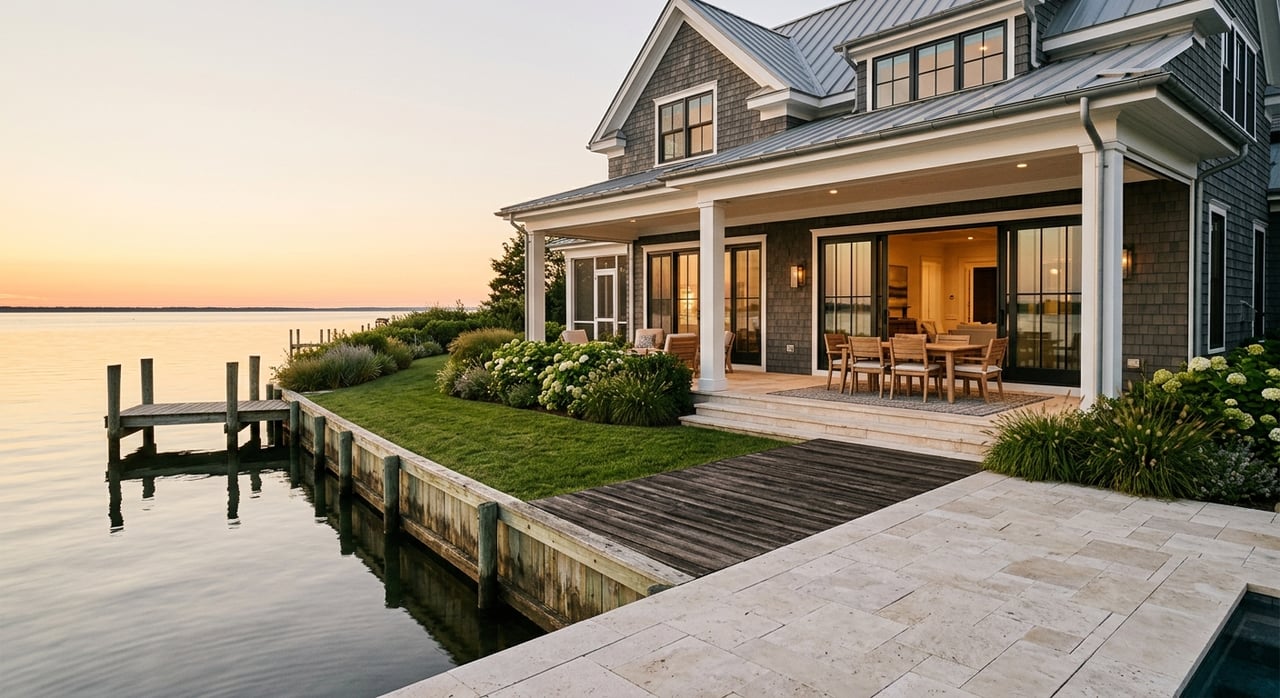
Many people relocating to Norfolk start with one simple goal: live near the water. Norfolk gives you several ways to do that, but waterfront living here is not one-size-fits-all.
Ocean View offers more than 7.3 miles of Chesapeake Bay shoreline, along with three city beach parks and public access points. Willoughby is described by the city as a scenic bay and beach area with homes across just under two square miles. The city also includes planning guidance for East Beach and describes East Ocean View as a new urban neighborhood.
The Second Precinct includes East Ocean View, Willoughby, and the Naval Base area, making it a useful frame of reference if you are comparing coastal living options. Some waterfront choices lean toward beach-oriented living, while others connect more to a planned coastal setting or an urban riverfront experience near Waterside and downtown.
That distinction matters. A bayfront home, a riverfront condo, and a home in a planned coastal neighborhood may all count as waterfront, but they can offer very different daily routines, commute patterns, and risk factors.
A home that looks perfect on paper can feel very different once you factor in the daily drive. Norfolk is an older, moderately dense city, and the city notes that its limited road space regularly fills up. For many newcomers, commute fit should be one of the first filters, not one of the last.
Hampton Roads Transit serves Norfolk with buses, ferries, and light rail. Most bus routes run every 30 or 60 minutes, while The Tide is the city’s frequent-service corridor. The Tide runs 7.4 miles from EVMC through downtown to Newtown Road.
The city’s transit redesign also highlights more frequent service along major corridors such as Granby Street, Chesapeake Boulevard, Hampton Boulevard, and Campostella Road. If you are hoping to live with fewer car trips, areas near downtown and the Tide corridor may be more practical than neighborhoods farther from those routes.
If your move is tied to Naval Station Norfolk, commute planning becomes even more important. The city and HRT describe a Naval Station Norfolk transit corridor project designed to improve connections between the Tide and the base. HRT’s Base Express also provides free circulation to key destinations like the Navy Exchange and ship piers.
That does not mean every military household will want a transit-based routine. It does mean your home search should compare base access carefully, especially if you are choosing between a coastal neighborhood, an urban core location, or something more residential elsewhere in the city.
Relocating to Norfolk means doing a little more up-front homework than you might in an inland market. The payoff is that better due diligence can help you avoid surprises after closing or move-in.
Here are the main items to verify early.
Flood risk should be part of your housing search from day one, especially if you are considering waterfront, low-lying, or coastal areas. Norfolk uses FEMA-based flood maps and recommends checking property-specific flood data through its public Forerunner tool. The city also notes that flood risk can come from both coastal flooding and heavy rain events.
Lenders normally require flood insurance in higher-risk zones such as AE, AH, AO, and VE. It is also important to know that standard homeowners insurance does not cover flood damage. In a city with this much shoreline, flood due diligence is not a side issue. It is a core housing decision.
Norfolk says all residences and businesses are in evacuation Zone A, B, or C. If you are moving to the city, especially near the water, you should know the evacuation zone before you commit to a property.
This is not just a storm-season detail. It is part of understanding how a location may affect your planning, comfort level, and long-term fit.
If you love the look of older homes in places like Downtown, Ghent, or East Freemason, ask about local historic-district status early. Exterior updates, new construction, and some demolition work may require review and approval.
That does not make historic ownership a bad choice. It simply means you should understand the rules before you assume you can make future exterior changes easily.
A map can make neighborhoods look close together, but your real daily experience may tell a different story. Norfolk’s layout, traffic patterns, and transit coverage mean the best location for you depends on where you need to go most often.
If you work downtown, near a hospital or university, or at the naval base, test your likely routes before locking in a home. If you want to be car-light, focus more closely on downtown and the Tide corridor. If you care most about beach access or a residential feel, make sure the tradeoff works for your commute.
The city encourages residents to connect through civic leagues and Neighborhood Services, which is a helpful reminder that local context matters. With more than 100 neighborhoods, block-by-block feel can vary more than many newcomers expect.
As you narrow your search, it helps to learn not just the street grid but also the rhythm of the area. That includes how the neighborhood connects to commuting routes, shoreline access, and nearby services.
A smart Norfolk relocation usually starts with lifestyle priorities, then narrows to housing type, then to neighborhood. You may begin by asking whether you want walkability, water access, historic character, easier base access, or a certain price point. Once you know your top two or three priorities, the city becomes much easier to sort through.
For some buyers, downtown or Ghent will make the most sense because of urban living and access to the Tide. For others, Ocean View, Willoughby, or East Ocean View will stand out because coastal living is the goal. And for many relocating households, the winning choice is the one that balances budget, commute, and flood comfort level rather than maximizing only one feature.
Norfolk has real variety, and that is part of its appeal. The key is making sure the home you choose fits how you actually plan to live once the boxes are unpacked.
If you are planning a move to Norfolk and want local guidance on neighborhoods, pricing, waterfront tradeoffs, or relocation timing, Missy L'Hoste & Team can help you make a confident plan.



Our knowledge of the area will allow us to focus on the best strategy to not only achieve your goals, but to exceed your expectations. We know how to take control and get the job done to your complete satisfaction. Work with the team now!