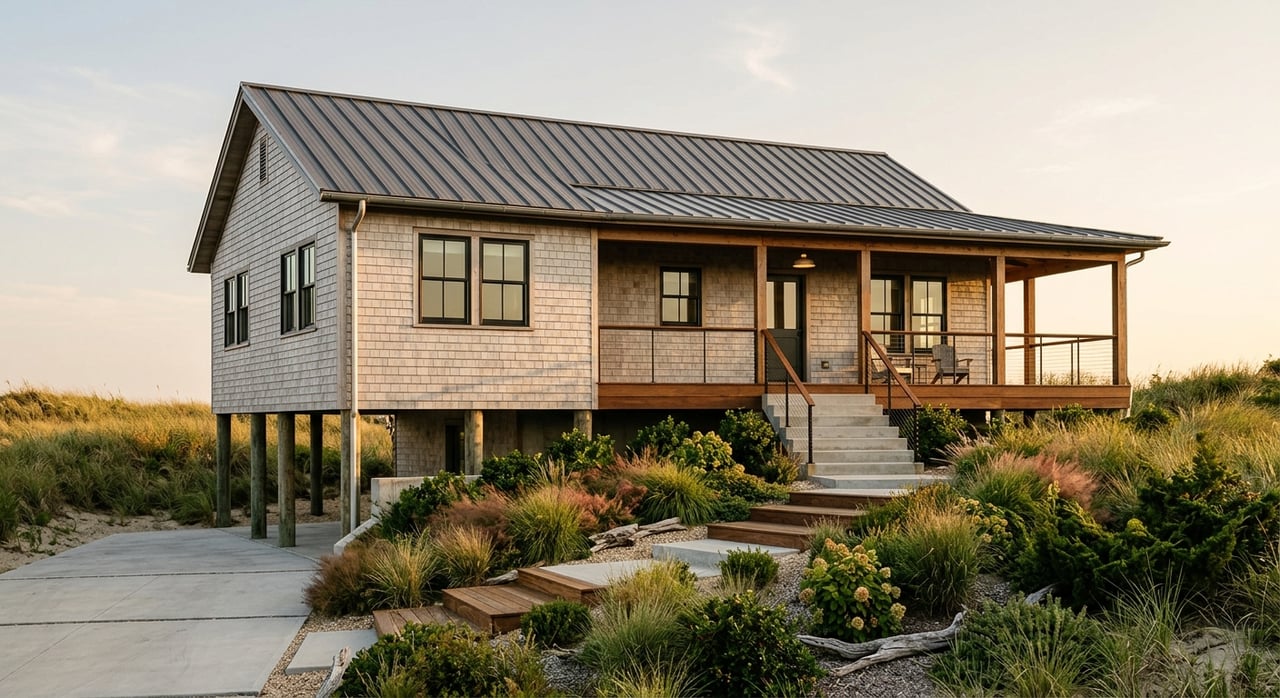
Rental Property Options In Coastal Virginia Beach
June 25, 2026
June 25, 2026
Thinking about buying a rental property near the beach? In coastal Virginia Beach, the opportunity can look exciting at first glance, but the right choice depends on more than just being close to the water. You need to weigh seasonality, local short-term rental rules, taxes, flood exposure, and the level of day-to-day management you want. This guide will help you compare your main rental property options in Virginia Beach so you can move forward with more clarity. Let’s dive in.
Virginia Beach is not just a summer beach town, but tourism still shapes rental demand in a major way. According to the city’s 2024 tourism report, Virginia Beach welcomed 14.3 million visitors and generated $2.6 billion in visitor spending, with lodging accounting for 27% of that spending.
That matters if you are comparing rental strategies near the shoreline. Demand is strongest from late May through early September, which means summer pricing and occupancy often carry more weight here than in a market driven mostly by local renters. Shoulder seasons can still help performance, but peak beach season is usually the biggest factor.
If you are looking at coastal Virginia Beach real estate, most rental strategies fall into three broad categories. Each one comes with a different mix of income potential, flexibility, compliance, and workload.
A seasonal vacation home is usually an entire property rented for short stays by visitors. In Virginia Beach zoning, a short-term rental is an entire dwelling rented for fewer than 30 consecutive days.
This option can offer the strongest summer upside, especially in beach-focused areas. It can also require the most hands-on management because frequent turnovers mean more cleaning, guest communication, scheduling, and compliance.
Virginia Beach also separates short-term rentals from home sharing. Home sharing means the owner lives in the principal residence, rents rooms, and remains in the home during rental periods, and that setup does not require a zoning permit.
Beach cottages often give you a middle-ground option. You may use the property as a second home, rent it seasonally, or lease it for longer stretches when you want steadier occupancy.
This kind of flexibility can appeal to buyers who want personal use as well as income. Still, in a coastal setting, you should look closely at maintenance, weather exposure, and insurance needs, not just projected rent.
Virginia Beach notes that both residential and commercial properties can be threatened by floodwaters from heavy rain, hurricanes, and nor’easter storms. For a cottage near the coast, that can be a meaningful ownership cost factor.
Long-term condos and townhomes are usually the clearest fit for lease-based tenancy rather than nightly stays. If your goal is lower turnover and more predictable occupancy, this route may be worth a closer look.
Virginia’s Residential Landlord and Tenant Act sets the basic rights and responsibilities for most residential landlords and tenants in the Commonwealth. In Virginia Beach, some rental properties may also fall under local inspection oversight in designated Rental Inspection Districts.
Before you focus on projected income, start with one key question: Can the property legally operate the way you want it to? In coastal Virginia Beach, that question can shape the entire investment decision.
Virginia Beach has a detailed short-term rental framework. Some properties were grandfathered if they were registered before July 1, 2018 and taxes were paid.
Properties in the Sandbridge Special Service District are eligible for short-term rental use. Newly registering short-term rentals in the Oceanfront Resort STR Overlay District must first obtain a conditional use permit before completing the annual zoning permit process.
Because the rules are location-specific, two properties with similar beach access may not have the same rental options. That is why local review is so important before you make an offer.
If a property qualifies for short-term rental use, there are ongoing operating requirements to factor into your budget and planning. Virginia Beach currently requires:
The city also limits occupancy after 11 p.m. to no more than two people per bedroom and does not allow events larger than the overnight guest limit. These rules can affect both how you market the property and how you screen bookings.
For short-term rentals, taxes are not a side note. They directly affect your net income and need to be built into your pricing strategy from the start.
Virginia Beach says the taxable gross rental amount includes room charges, cleaning fees, and other guest fees. Outside Sandbridge, the combined transient occupancy tax is 15% plus $2 per night. In Sandbridge, it is 16.5% plus $2 per night.
Returns are due monthly by the 20th, and even a month with no rentals still requires a zero filing. If you are comparing a nightly rental to a long-term lease, this is one of the clearest examples of how operating complexity can differ.
Near the shore, income potential is only one side of the picture. Flood exposure can be one of the biggest variables affecting ownership costs and lender requirements.
Virginia Beach says development in Special Flood Hazard Areas requires permits, and new or improved residential buildings in those areas must be elevated above base flood elevation. The city also notes that separate wind and flood policies are needed.
FEMA adds that federally regulated, supervised, and government-backed lenders require flood insurance for buildings in Special Flood Hazard Areas within National Flood Insurance Program communities. For buyers, that means flood zone status can affect both monthly costs and future property planning.
The best rental property option in coastal Virginia Beach often depends less on the label and more on the property’s real-world fit. A useful comparison starts with the variables that most affect income, cost, and workload.
Use this checklist as you compare properties:
These questions can help you move beyond the broad idea of a “beach rental” and focus on the actual ownership experience.
If you want the highest seasonal upside and are comfortable with more hands-on management, a seasonal vacation home may be the strongest fit. This strategy often depends heavily on summer demand and careful compliance with city rules.
If you want some personal use plus rental flexibility, a year-round beach cottage may offer a balanced path. Just be sure to account for weather exposure, insurance, and maintenance tied to coastal conditions.
If you prefer steadier occupancy and fewer turnovers, a long-term condo or townhome may align better with your goals. In many cases, the simpler operating model can be appealing even if nightly income potential is lower.
In Virginia Beach, the details can change from one coastal area to the next. Zoning status, tax treatment, flood exposure, and inspection requirements can all shape whether a property supports your plan.
That is why local market guidance matters before you commit. A property that looks promising online may need a much closer review once you match your goals to the city’s rules and the realities of coastal ownership.
If you are exploring rental property options in coastal Virginia Beach, Missy L'Hoste & Team can help you evaluate neighborhoods, property types, and local considerations so you can buy with confidence.
Our knowledge of the area will allow us to focus on the best strategy to not only achieve your goals, but to exceed your expectations. We know how to take control and get the job done to your complete satisfaction. Work with the team now!